Unlocking Potential: A Deep Dive into Paxton Patterson's Impact on Career Education
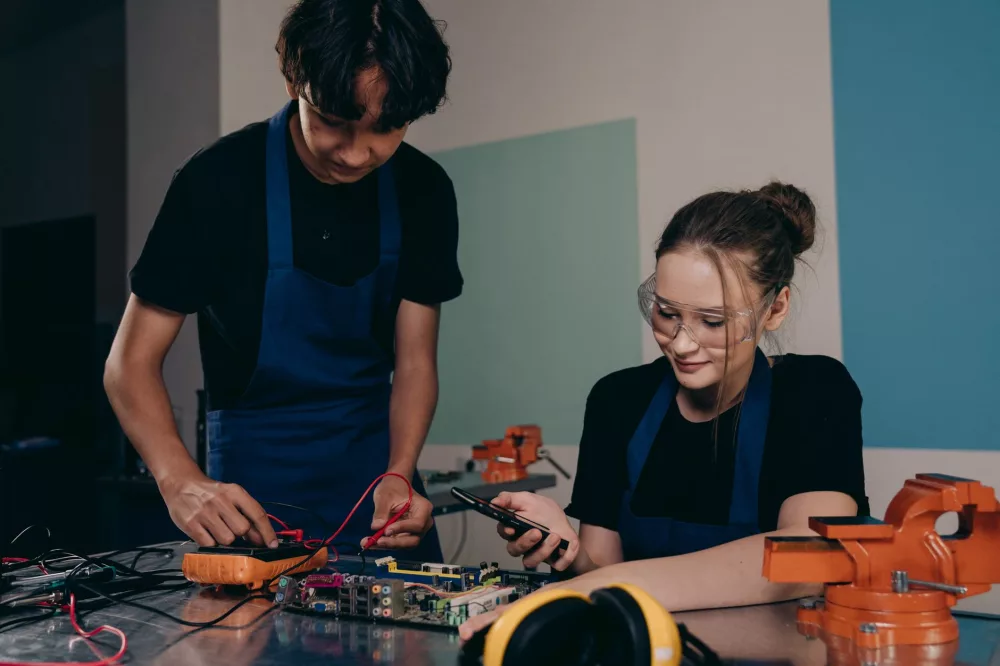
When you hear the name "Paxton Patterson," what comes to mind? For me, it immediately conjures images of hands-on learning, innovative classrooms, and students genuinely excited about their future. It's not a person, as some might initially think, but an organization that's quietly been revolutionizing career and technical education (CTE) for decades. I want to spend some time exploring exactly what they do, the philosophy behind it, and why I believe their work is so incredibly important in today's educational landscape.
What Exactly is Paxton Patterson, Anyway?
So, let's get down to basics. Paxton Patterson is an educational solutions provider specializing in comprehensive, project-based learning systems for CTE programs. Think about it: our world is changing at an incredible pace, and the skills needed for tomorrow's jobs are shifting right along with it. Traditional classroom settings, while valuable, often struggle to keep up with the practical demands of modern industries. That's where Paxton Patterson steps in.
They don't just sell textbooks; they provide entire learning environments. We're talking about everything from curriculum development and specialized equipment to teacher training and ongoing support. Their goal, from what I've observed, is to give students a real taste of various career paths, helping them discover passions and develop tangible skills long before they have to make those big life decisions about college or career.
A Glimpse into Their History and Evolution
It's always fascinating to understand the journey of an organization that's had such a lasting impact. Paxton Patterson's roots go way back, actually to the late 1800s! Initially, they started as a woodworking and manual arts equipment supplier. Can you imagine? From supplying tools for early industrial arts to developing high-tech modules for robotics and health sciences, it's quite an evolution. This long history, I think, speaks volumes about their adaptability and commitment to staying relevant in education. They've consistently adapted their offerings to meet the changing needs of schools and industries, which is pretty neat when you think about it.
The Core of Their Philosophy: Learning by Doing
What truly sets Paxton Patterson apart, in my opinion, is their unwavering dedication to hands-on, experiential learning. I mean, we all know that you can read about how to fix an engine, but you won't really understand it until you've got your hands dirty, right? Their systems are built around this principle.
Students work through modules that are designed to mimic real-world scenarios. It's not just theoretical; it's practical application. This approach helps students:
- Understand complex concepts: When you're building something or solving a practical problem, the theory behind it just clicks differently.
- Develop problem-solving skills: These aren't just academic exercises; they often require critical thinking to overcome unexpected challenges.
- Gain valuable soft skills: Collaboration, communication, and persistence are naturally fostered as students work in teams on projects.
- Explore diverse career paths: Before committing to a costly college degree or specialized training, they get a chance to see if a field truly excites them.
It's this blend of academic rigor and practical application that I find so compelling. It prepares students not just for tests, but for life and for the workforce.
Impact on Student Engagement and Retention
One of the most immediate benefits I've seen from schools implementing Paxton Patterson programs is a noticeable uptick in student engagement. When learning becomes active, relevant, and challenging in a good way, students are just more invested. Boredom often leads to disengagement, but it's hard to be bored when you're wiring a circuit, designing a prototype, or analyzing a DNA sample.
This increased engagement often translates directly into better attendance, higher grades, and a greater likelihood of continuing their education or pursuing careers in these fields. For many students who might not thrive in traditional, lecture-based environments, these programs can be an absolute game-changer, helping them find their stride and discover their unique talents.
Diverse Pathways: Exploring Paxton Patterson's Modules
It's incredible how broad their offerings are. They don't just focus on one or two areas; they cover a whole spectrum of career clusters. Let me give you a feel for some of the areas they touch upon:
- Health Science: Imagine students learning about medical terminology, practicing basic patient care, or understanding human anatomy through interactive models. It's an early introduction to a rapidly growing field.
- STEM (Science, Technology, Engineering, Math): This is a huge one, encompassing everything from robotics and automation to aerospace and biotechnology. Kids get to build, code, and experiment, fostering that crucial innovative spirit.
- Skilled Trades: Think welding simulations, electrical systems, and plumbing fundamentals. These are skills that are always in demand, and Paxton Patterson provides a safe, controlled environment for students to learn the basics.
- Information Technology: Cybersecurity, networking, graphic design – all critical skills in our digital age. Students can get hands-on experience with the tools and techniques professionals use every day.
- Human Services: Modules that explore areas like culinary arts, hospitality, and even early childhood education. These programs help students develop empathy and practical skills for service-oriented careers.
Each module is designed to be self-contained yet also part of a larger continuum, allowing schools to tailor their CTE programs to their specific community needs and student interests. It's a pretty smart way to do things, if you ask me.
Supporting Educators: It's Not Just About the Kids
You know, it's easy to focus on the students, but we can't forget the incredibly vital role of the educators. Paxton Patterson understands this. They don't just drop off equipment and walk away; they offer comprehensive professional development to ensure teachers are confident and competent in delivering the curriculum. This support includes initial training, ongoing resources, and responsive technical assistance. For schools looking to start or expand their CTE programs, this kind of holistic support is absolutely invaluable. It ensures that the investment in these programs actually pays off in terms of effective teaching and learning.
The Future of Work and Paxton Patterson's Relevance
In a world grappling with automation, artificial intelligence, and a growing skills gap, the importance of practical, career-focused education has never been clearer. Industries are desperate for skilled workers, and traditional four-year college paths aren't the right fit for everyone. Paxton Patterson's approach offers a viable, engaging alternative or a strong foundation for further specialized training.
I believe they're helping to bridge that gap between education and industry, preparing young people for jobs that actually exist and are in high demand. It's about empowering students with choices and giving them the confidence to pursue pathways that genuinely align with their talents and ambitions. Their role in shaping the workforce of tomorrow is, in my view, incredibly significant.
My Concluding Thoughts
Reflecting on Paxton Patterson's contributions, I feel a sense of optimism for the future of education. They're demonstrating that learning can be exciting, relevant, and deeply empowering. By providing schools with the tools and curriculum to offer high-quality, hands-on CTE, they're not just teaching subjects; they're opening doors to futures. I think any school administrator, teacher, or parent looking to truly prepare students for the complexities of the modern world should definitely take a closer look at what Paxton Patterson has to offer. It's more than just equipment; it's a vision for engaged learning and successful careers.
About Editorial Team
Senior columnist and culture critic specializing in architectural designs, emerging high-growth systems, and contemporary philosophies.
All Categories
Recent Posts


IBRX Stock: Unpacking ImmunityBio's Journey in the Biotech Landscape